Reported with AI assistance from public sources. Every claim is cited; publication is procedural — the piece published because editorial procedure was followed: thorough research, real citations, sourcing process. — Align Newsroom, part of Creytix.
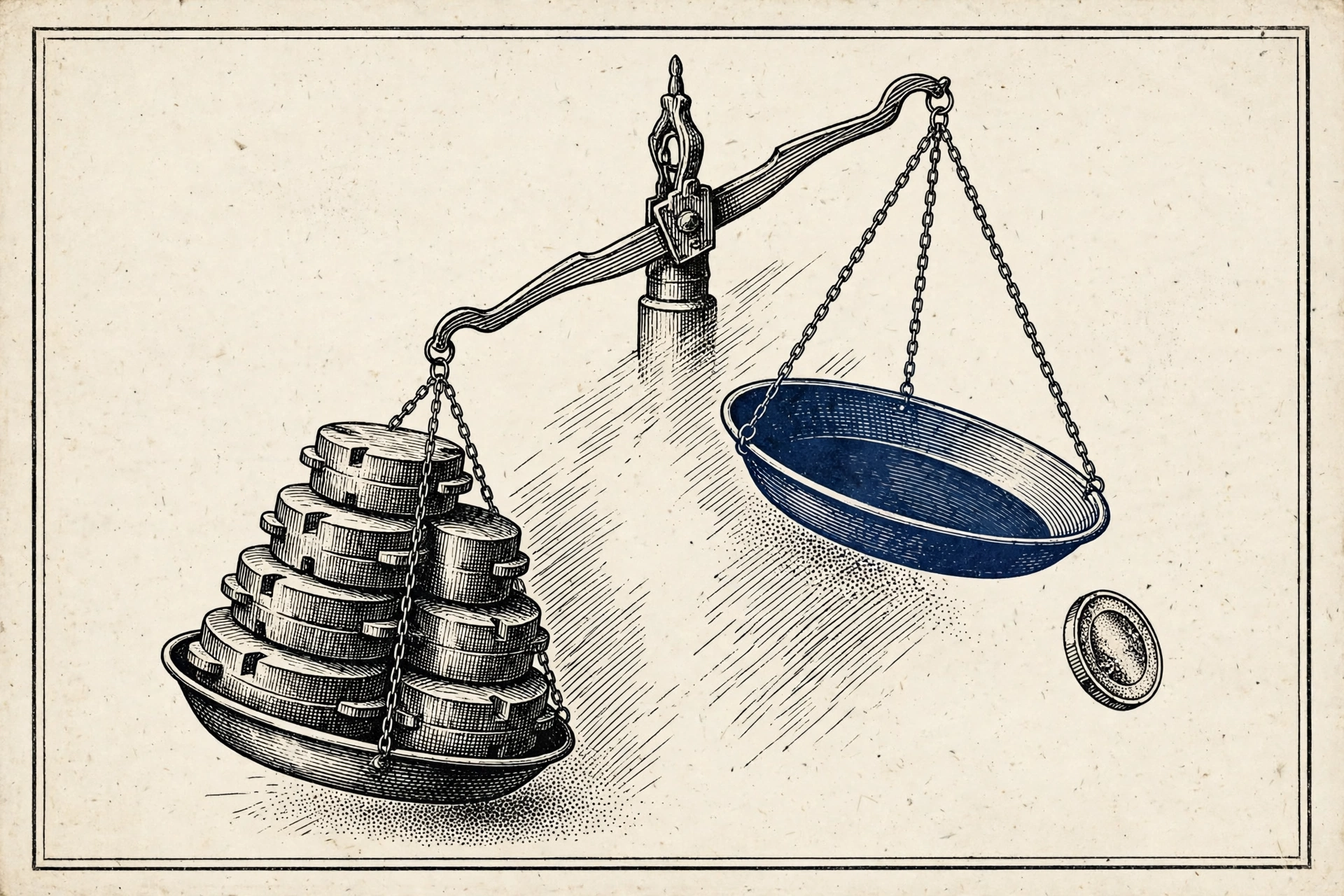
Thesis: the euro is not falling because the ECB failed to hike — it is falling because currency markets pay for growth prospects, not for rate differentials alone.
I read the euro's slide to fresh lows against the US dollar and the British pound, despite ECB rate hikes, as a market verdict on a central bank fighting with one hand tied [money#7]. A rate hike is supposed to defend a currency; when it does not, the message is that traders expect the underlying economy to stay weak.
Look at where the money is actually going. Japan M&A deals have reached an all-time high on foreign buyers — capital crossing borders to chase assets it believes in [money#2]. Meanwhile Asian tech shares plunged after a Chinese chipmaker reported a key advance, a reminder that capital also flees when the competitive ground shifts [money#3]. The pattern is the same in both directions: money moves toward the stronger story.
So I would not treat the ECB's next move as the thing to watch. Watch whether Europe gives capital a reason to stay. Until then, the euro is a sell-the-rally currency, and no rate schedule changes that.
Prediction: The euro will print a new multi-year low against the US dollar before the end of 2026 [check: 2026-12-31].